(Revista digital de ARTE, CULTURA Y OPINIÓN DESDE ALICANTE. Nuevoimpulso.net
ARTICULOS DE OPINION
Revista digital de arte, cultura y opinión en Alicante. Enlace con POESIA PALMERIANA. En estas páginas no podemos estar ajenos a lo que pasa en España ni en el mundo. Dirigida por el escritor, poeta y pintor Ramón PALMERAL. Los lectores deciden si este blog es bueno, malo, o merece la pena leerlo. El periodismo consiste en decir lo que a algunos no les gustaría leer.
La Unión Federal de Policía, de su lado, ha
reclamado que la profesión de agente sea declarada de riesgo, así como
más medios materiales para luchar contra el narcotráfico y mayor
«contundencia judicial» contra los criminales. Los narcos está usando armas de guerra como el AK 47 contra las Fuerzas y Cuerpo de Seguridad, sin que el ministerio de Interior se entere de la realidad.
El policía herido en Sevilla por un disparo está grave pero estable tras ser operado
La evolución de las próximas horas son clave
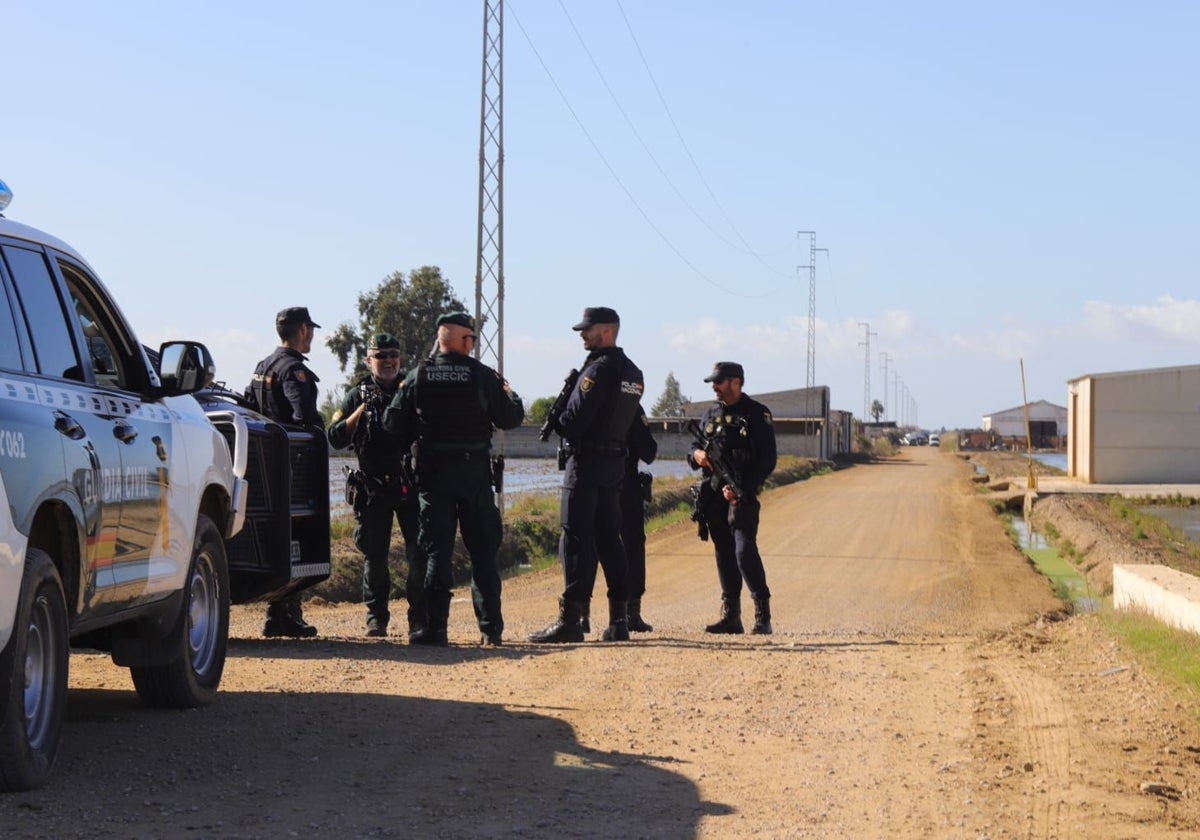
Agentes de policía desplegados frente a la nave en la que se encuentra atrincherado en Isla Mayor (Sevilla)Agencia EFE
Dice Bolaños, mistro de Presidencia y Justicia, en el congreso. Ha sostenido, durante la sesión de control al Gobierno en el Congreso, que en
el PP "llevan fatal que hoy haya en España un gobierno progresista y
por supuesto que nombra a personas progresistas de prestigio, de
autoridad, idóneos para los puestos, para seguir gobernando España y que
sigamos avanzando durante tres años más".
"Cuando hay personas de prestigio progresistas en las instituciones a ustedes les parece que es colonizarlas,
pero sin embargo, cuando son ustedes los que gobiernan y ponen personas
de derechas, les parecen independientes, impecables", ha contrapuesto
el ministro.
De decir y reconocer: Qué difícil resulta gobernar con un gobierno progresista cuando no se tiene mayoría en el Congreso.
Cassander: The Self-Made King of (What Was Left Of) Macedon
Cassander was born in 355 B.C.E. as the son of Antipater. He was a
member of the so-called Iolaid House, an obscure family of high
political prominence in Macedon. The house drew its privileges and
identity from one Iolaus who had served as archon for Perdiccas II (r.
448-413) at the beginning of the Peloponnesian War. From then on, the
Iolaids seems to have had hereditary claims to a regency position in
Macedon. Cassander’s father Antipater served as a regent both during the
reign of Philip II and Alexander III “the Great”, governing affairs
while those kings were away. A brother of Cassander was also called
Iolaus.
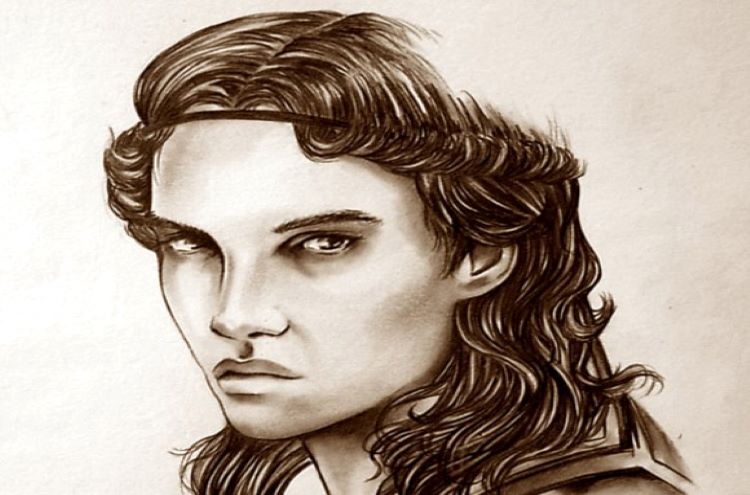
Portrait of a young Cassander by kleinmeli.
Fighting a Wasting Disease
Cassander suffered from a chronic illness that Eusebius calls “a wasting disease”,
likely tuberculosis. This hindered Cassander’s performances in martial
arts since his youth. Especially his lack of success in hunting, an
important initiation ritual among the Macedonian men, had him alienated
from the rest of the would-be generals. Because of his vulnerable
physical condition, Cassander was classified as unfit for military
service and the prestige that came with it. Thus, Cassander stayed home
in Macedon while his peers of the same age such as Perdiccas, Ptolemy,
Lysimachus, and Leonnatus joined Alexander in his expedition and made a
name for themselves.
The alienation of Cassander from the expedition had an impact on his
perception of the ruling family. Moreover, at home, he had to endure
constant complaints of Olympias
to Alexander from his father. He naturally grew hate towards Olympias
and, at first, an unconscious grudge against Alexander himself.
An Uneasy Stay in Babylon
Olympias’ quarrel with Cassander’s father reached the boiling point
in 324 when Alexander had returned to Babylon. The king, now siding with
his mother in the quarrel, ordered Antipater to come from Macedon into
Babylon where he was to meet him. Antipater, believing the invitation to
result in a fatal punishment for him sent, on his behalf, his son
Cassander.
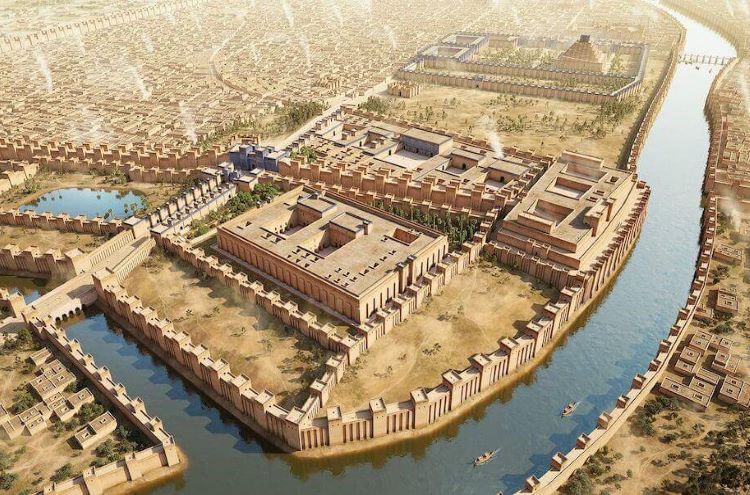
Graphic reconstruction of ancient Babylon.
Cassander showed up in Babylon to make a plea on his father’s behalf.
Indeed, when Cassander came forwards to face Alexander he noticed
several Persians prostrating (bowing down in a sign of respect) to
Alexander. Unaccustomed to the practice, common among the Persians,
Cassander began laughing, a genuine but inappropriate reaction. This so
angered Alexander that he clutched Cass “fiercely by the hair with both hands [and] dashed his head against the wall”
(Plut, Alexander. LXXIV). This so much humiliated and trembled
Cassander, that, even later in life, he would almost faint at the sight
of Alexander’s statues.
Cassander continued his stay in Babylon, refuting charges against his
father, though his audiences with Alexander ended up in a fracas. In
June 323 Alexander, the man who had conquered most of the known world,
succumbed to malaria at the age of 33. Cassander and Antipater were now
free from accusations whereas the empire was up for grabs. Back in
Europe, Olympias believed that the demise of her son was the result of
Antipater and Cassander’s conspiracies. In fact, Cassander’s brother
Iolaos had been Alexander’s chief cupbearer at the time; for Olympias,
he had been the one administering a fatal poison to Alexander.
A Disappointing Testament
In February 319, Antipater succumbed to old age and poor health, soon
after returning to Macedon from Triparaidesos. Antipater’s choice of
successor was a seemingly strange one. Rather than picking his own son
Cassander as his successor, he chose Polyperchon
for that office. Thus, Polyperchon rose to the regency, gaining supreme
command of the royal army and assuming guardianship of the joint kings.
Cassander, according to his father’s own will, was only appointed a
second in authority (chiliarch).
Cassander was clearly angered and disappointed with his father’s
decision. As such, he was determined to make a run for the regency at
the expense of Polyperchon. For the moment though, he had to move
cautiously. Before getting his hands into an army, essential to
challenge Polyperchon’s authority, Cassander could not declare any war
on anyone.
For purposes of securing troops and allies, he sent envoys in secret
to Ptolemy in Egypt. He sought to gain naval assistance from Ptolemaic
bases in Phoenicia. Himself, Cassander crossed the Hellespont and
arrived in Asia Minor. Here he met Antigonus and, after an audience with
him, secured a precious force of 4,000 infantry and a fleet of 35
ships. With these forces, Antipater’s son set sail for Piraeus.
Despite Antigonus’ aid, Cassander was at a disadvantage compared to
Polyperchon in terms of sheer numbers of supporting troops. Polyperchon
had the command of the Macedonian home army numbering some 25,000
thousand troops. He also could deploy on a campaign about 65 war
elephants.
Alliance between Cassander and Adea
However, Cassander could rely on greater popular support, especially
across mainland Hellas, that he enjoyed compared to Polyperchon. Indeed,
people across Macedon and Greece were accustomed to Cassander,
physically present there at the time of Antipater’s regency. Meanwhile,
Polyperchon had spent the last fifteen years away, on a campaign in Asia
with king Alexander. Thus, for the Macedonian and Greeks at home,
Polyperchon represented disruption while Cassander represented the
continuum. In the view of common folks, Polyperchon looked more like a
challenger than a legitimate regent being challenged. This, combined
with Polyperchon’s apparent lack of charisma, influenced many cities to
rally themselves in support of Cassander.
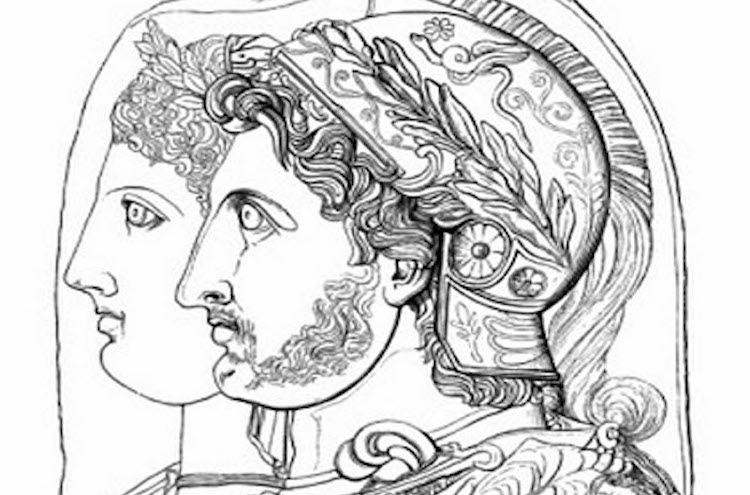
Overlapping portraits of the royal couple Adea/Eurydice and Philip (III) Arrhidaeus.
Cassander found another important ally in Adea/Eurydice, daughter of Amyntas IV and Cynane.
The two had the opportunity to establish friendly ties with one another
in between 320-319, both being at court in Pella. Moreover, in 321 Adea
had become the only queen of Macedon by marrying the then king Philip
Arrhidaeus (himself mentally handicapped). Because of Arrhidaeus’
condition, Adea could effectively use her husband to advance her own
cause. In the conflict between Polyperchon (an ally of Olympias) and
Cassander, she naturally chose the latter.
On his own Cassander could use Adea to earn the legitimacy his father
had denied him. Thus, when Polyperchon left Macedon to fight Cassander,
Adea, through a letter that bore the credentials of king Philip
Arrhidaeus, proclaimed Cassander as regent. In other letters, she
officially ordered Polyperchon to resign from the regency and Antigonus
to recognize and support Cassander as the new, legitimate regent and
viceroyal. In the summer of 317, Cassander went personally into the
court of Philip and Adea for his public proclamation of the regency.
Cassander vs Polyperchon
Cassander moved quickly to establish control of Athens and the nearby
harbor of Piraeus, vital for marine-based warfare. He quickly turned
Attica, Boeotia, and the cities across the Peloponnesus into his power
bases. Specifically, he relied on cities garrisoned by commanders loyal
to him. Such cities were Argos, Corinth, Megalopolis, and the fortress
of Munychia at Athens. In fact, Cassander had replaced since before his
revolt the phrourarchos of Munychia Menyllus with Nicanor, a
man at that point loyal to Cassander alone. In fact, Nicanor did a good
job by stalling the Athenians with promises of liberty while waiting for
Cassander to dock with additional forces at Piraeus. Meanwhile, the
veteran Damis, in charge of the garrison at Megalopolis also supported
Cassander’s cause.
Polyperchon, aware of popular support for Cassander across mainland
Hellas, tried a PR stunt to cut off this support. Accordingly,
Polyperchon issued a decree which he promoted as proclaiming freedom and
autonomy for all Greek cities. Yet, those receiving the decree took its
message for what it really was: an instrument intended against
Cassander alone with no real intention of freeing Greece. Nowhere is the
poor formulation of this decree clearer than in the following clause: “Let
all the Greeks pass a decree that no one shall change either in war or
in public opposition to us, and that if anyone disobeys, he and his
family shall be exiled and his goods shall be confiscated” (Diod. XVIII. LVI. I.)
Diplomatic Fight for Athens
Despite his poorly formulated decree, Polyperchon had reason to
believe in turning Athens into his side. According to that same decree,
Samos was granted to Athens and Athenians political exiles in time of
Antipater restored and pardoned. Also, Olympias, allied with
Polyperchon, came forwards through a letter ordering Cassander to remove
his garrison from the city.
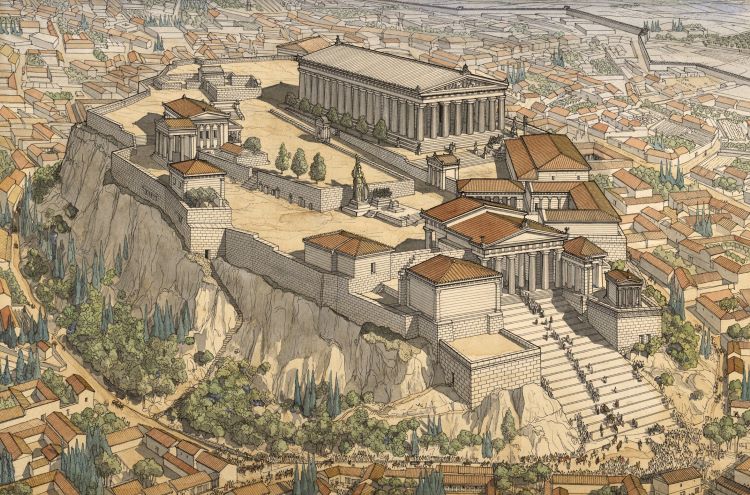
Graphic reconstruction of ancient Athens by Jean Claude Golvin.
To prevent the Athenians from joining the cause of his enemies,
Cassander smartly removed his garrison from Athens. However,
simultaneously he installed a government that would support his cause
led by the popular philosopher Demetrius of Phalerum. By appearing thus
as a supporter of Athens’ long democratic and philosophical tradition,
Cassander still retained control of Athens. Cassander would, later on,
try the same move on Epirus and other regions, installing puppet governments to establish control.
Victories on Land and Sea
When Cassander was in Piraeus, Polyperchon with all his army moved
into Attica from Phocis and besieged the harbor. Finding the city ready
for the siege, the regent left a small force here to continue the
besiegement under his son Alexander. He with most of the troops marched
into Peloponnesus to capture Megalopolis.
When Polyperchon arrived in Peloponnesus, Megalopolis was
well-prepared for a siege. The city strongly supported the cause of
Cassander. Fifteen thousand men under the leadership of the skilled
veteran Damis not only held the city but also destroyed most of
Polyperchon’s army. At about the same time, Cleitus, admiral of
Polyperchon’s whole fleet, was crushed near the Hellespont by the
combined navies of Nicanor and Antigonus.
After the success in Megalopolis and in the open sea, “most of the Greek cities deserted the kings and went over to Cassander” (XVIII.LXXIV.I).
Cassander vs Olympias
In the fall of 317, Olympias entered the fight for power. Supported
by an army of Epirotes, a kingdom led by her nephew Aeacides, she
advanced into Macedon. In the process, Alexander’s mother, still
enjoying support among the Macedonians, executed king Philip IV
Arrhidaeus and his wife Adea/Eurydice.
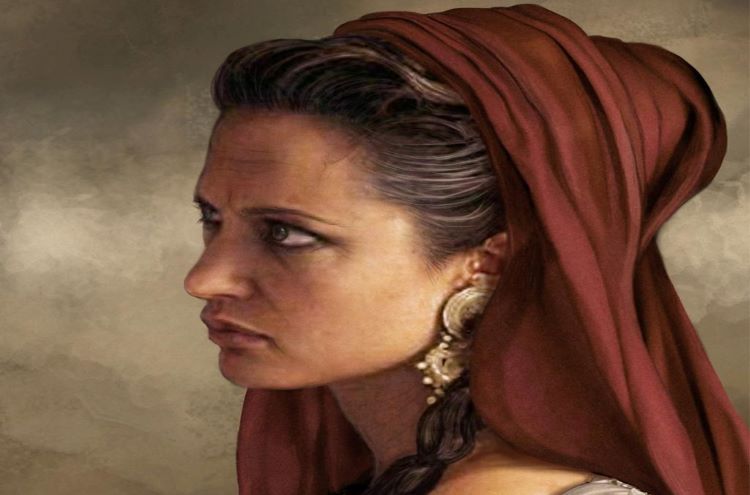
Portrait of Olympias of Epirus by panaiotis.
Cassander unleashed a blitzkrieg into Macedon quickly enclosing
Olympias at Pydna. In early 316 Cassander took hold of Olympias
stronghold. After a show trial, Cassander had Olympias executed. He also
made sure to keep Roxana and her son Alexander IV were isolated at Amphipolis.
After the execution of Olympias and the surrender of Aristonous in
Amphipolis, Cassander became the sole, semi-official ruler of Macedon.
His rival Polyperchon remained in Aetolia and then in Peloponnesus but
with such a small army that he could not pose any threat. To commemorate
his victory and ensure his legacy, in mid-316, Cassander married
Thessalonike, daughter of Philip II and Nikesipolis. A marriage with one
of Philip’s offspring could only improve one’s legitimacy among the
Macedonians.
A Missing Piece of Cassander’s “Marital Mosaic”?
However, a strange circumstance comes up when considering Cassander’s
marriage with Thessalonike: it being only the first marriage of a
Cassander then almost 40 old! Literal evidence gives no solution to this
problem, but a piece of sole epigraphic evidence does. According to it,
the existence of a princess named Cynane is testified, likely a younger
sister of Adea/Eurydice, bearing the name of her mother. The same
inscription testifies to a daughter of Cynane II that did not survive
past infancy. An earlier marriage between the Cynane II of the
inscription and Cassander solves the problem of Cassander’s late
marriage. It also explains why Adea/Eurydice sided with Cassander since
the beginning of his conflict with Polyperchon.
If we are to believe an earlier marriage between Cassander and Cynane
II, sister of Adea/Eurydice, this means that Cassander was in a
stronger position by 319 than previously believed. Cassander must have
married Cynane II sometime during that year after Adea/Eurydice had
already ascended to queenship two years ago by marrying Philip
Arrhidaeus. This marriage gave Cassander a daughter, the Adea II
commemorated in the inscription, and even his oldest attested son,
Philip IV. The latter, commonly included with the other two sons
(Antipater II and Alexander V) that Thessalonike bore, better fits as a
son of an earlier marriage. The fate of Cynane II is unknown but she
must have been at Pydna at the company of her sister Adea/Eurydice when
Olympias carried out her purge.
Constructing the Legacy
Soon following this marriage, Cassander engaged in a series of public
works intended to improve the economy as much as to promote his
political image. Thus, Cassander founded the city of Thessalonica, on
the shores of the Thermaic Gulf, naming it after the name of his wife.
At about the same time, he rebuilt and reorganized Potidaea on the
Pallene peninsula, changing its name to Cassandreia, so-called after
himself. The most significant initiative was the reconstruction of
Thebes twenty years after Alexander had destroyed it completely. With
its reconstruction of Thebes, clearly motivated by the hate against
Alexander’s memory, Cassander gained much appreciation across Boeotia
and Attica.
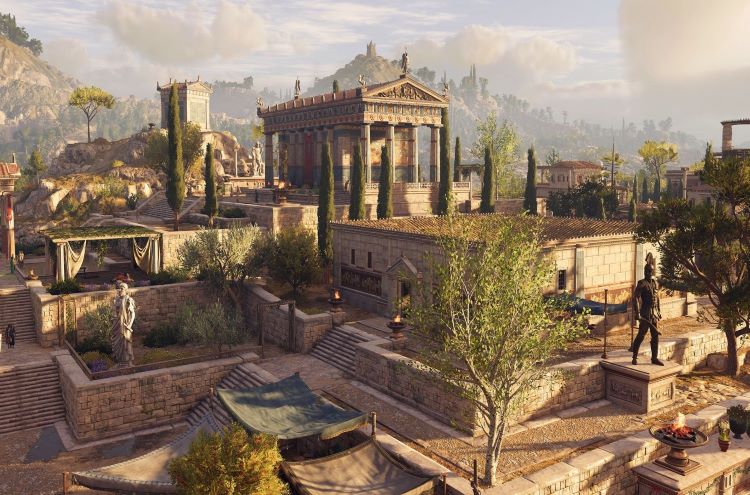
Graphic reconstruction of Thebes in the Hellenistic Age.
Soon after getting hold of Macedon, Cassander launched a series of
invasions against the Peloponnese where the weakened Polyperchon still
resisted. Unable to remove the foe through force, Cassander managed to
ensure the defection of Polyperchon’s son Alexander. His alliance with
Alexander was however short as the latter was killed by the Sicyean
Alexion in 314. Alexander’s widow Cratesipolis gathered the troops of
her husband and entrusted them to Polyperchon’s command.
Campaign in Illyria
In the summer of 314, Cassander embarked on a campaign against Illyria where his natural enemy, Glaucias of the Taulantii, ruled. His first target was Apollonia,
the prosperous colony in the southern Adriatic. He took the city at
first assault and then drew his army against Glaucias. In a battle
somewhere in central Albania, Cassander triumphed over Glaucias’ forces.
In the post-battle terms, Glaucias committed to not waging war against
Cassander and his allies; a commitment that he forgot as soon as
Cassander left the area.
Next Cassander advanced with his army against the important city-port of Epidamnus (a.k.a. Dyrrachium). Unable to capture the city by brute force Cassander conquered it using the following stratagem: “When
Cassander was returning from Illyris and was one day’s march from
Epidamnus, he hid his army, and sending [a force of] cavalry and
infantry he set alight villages situated high up towards the border
between Illyris and Antintanis [Atintania], which were visible to the
people of Epidamnus” (Polyaen. IV. XI. IV). When the Epidamnians
came out of their defenses, supposing Cassander to have left the
country, the hidden army came out and captured the city.
An Enemy of Antigonus
With Cassander emerging as triumphant over Polyperchon, Antigonus had
no more reason to support Cassander. On the contrary, since the
“One-Eyed” favored an unstable Macedon, he turned against Cassander and
shifted his favor towards Polyperchon. Before the assassination of
Polyperchon’s son Alexander, Antigonus had sent his general Aristodemus
in the Peloponnese (in spring/summer 315). Alexander’s assassination and
Cassander’s pressing demanded an increased presence of the Antigonids
in Europe. Thus, with the help of the new Antigonid allies, Polyperchon
continued to remain a thorn on Cassander’s side by holding an entrenched
position in Corinth and Sycion.
Map of ancient Asia Minor.
Cassander could also implement Antigonus’ policy against him by
promoting a disturbance across Antigonid possessions of Asia Minor.
Thus, during the winter of 314-313, Cassander launched a military
expedition into Caria, his first trans-Aegean venture. The force,
supplied with troops from Macedon proper as well as from Munychia, was
led into Caria by Cassander’s generals Asander and Prepelaus.
This expedition was in concert with Seleucus and Ptolemy’s movements
against Antigonus in the same region. If successful in planting his own
possessions in Asia Minor, Cassander could hope to keep the worst of the
fighting away from his realms in Europe. However, the Macedonian had to
check his ambitions after the failure of the expedition. Cassander
troops were crushed after Antigonus’ general and nephew Polemaeus
launched a night attack against either capturing or destroying them
all.
The loss in Caria put a significant strain on Cassander’s military
resources. From now onwards the tide of fortune would turn against
Cassander, keeping him in Europe, playing defense against Antigonid
actions.
Increased Antigonid Presence in Europe
To rebalance the conflict dynamics with Cassander, Antigonus sent his
officer Telesphorus to the Peloponnese. He was to strengthen
cooperation with Polyperchon and turn the Peloponnese into a buffer
zone. This expedition was ultimately successful; by 313, Telesphorus had
already succeeded in forcing Cassander out of the Peloponnese. The
press increased during the summer of 313 when Antigonus sent Polemaeus
in charge of 150 ships to Boeotia. Polemaues secured both the political
and military support of the Boeotian League further limiting Cassandrean
influence well within Hellas.
At the time of Polemaeus’ docking in Boeotia, Cassander was active in
Euboea where he was not giving up on his expansive policies. To check
Polemaeus’ actions, Cassander moved to Chalcis where he was met by
another troubling news. With Macedon now left vulnerable, Antigonus
sought to exploit the opportunity by moving into the Hellespont. Before
this situation, Cassander could not afford to hold multiple fronts; he
either was to stay in Euboea or return to Macedon. The Macedonian chose
to return to Macedon in the winter of 313-312, keeping his domain secure
there but leaving Polemaus free to take control of Greece.
Pleistarchus, brother of Cassander who was left in command of a garrison
in Euboea, could not present a challenge for Polemaeus.
Campaign in Epirus & Disaster in Illyria
With the southern Hellas completely lost, it was vital for Cassander
to maintain the support of every garrison and every city that he could.
Affairs were boiling in Epirus, a state key for Macedon’s western border
security. Alcetas II had assumed the kingship of Epirus and had likely
embarked into an anti-Macedonian/anti-Cassandrean policy. To reestablish
influence in this state, Cassander sent there his general Lyciscus with
an army.
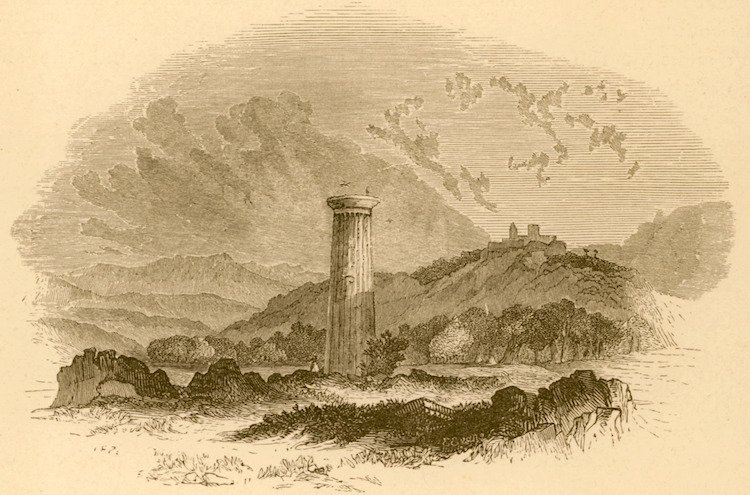
A Doric Column in Apollonia – Christopher Wordsworth-1882.
In several battles against Alcetas and his two adult sons Alexander
and Teucer, Lyciscus came barely victorious and still unable to dethrone
Alcetas. Lyciscus’ losses were so severe that Cassander, alarmed at the
news, came into Epirus with his own army. Rather than continuing a
fight that could drag on and further deplete his resources Cassander
settled a peace agreement with Alcetas. With Epirus now pacified,
Cassander moved further north into Illyria, again set to subdue the city
of Apollonia. The Apollonians had driven out the garrisons of Cassander
and entered into the protection of Glaucias and his Illyrians.
Dyrrachium had also been entrusted to Glaucias after liberating itself,
with the aid of Corcyra and the Taulantii, from the Cassandrean
garrison.
The campaign against Apollonia was a disaster for Cassander. The
citizens, expecting a siege, were this time well prepared for it, as
described by Diodorus: “Those in the city, however, were not
frightened, but summoned aid from their other allies and drew up their
army before the walls. In a battle, which was hard fought and long, the
people of Apollonia, who were superior in number, forced their opponents
to flee; and Cassander, who had lost many soldiers, since he did not
have an adequate army with him and saw that the winter was at hand,
returned into Macedonia” (Diod. XIX. LXXXIX. II.).
In addition to the military failure in Illyria, the policy of a
stable, supportive Epirus failed as well. Soon after Cassander’s
departure, the Leucadians removed the Cassandrean garrison from their
citadel. Meanwhile, the internal affairs in Epirus remained problematic
culminating in Three Hundred and Six with the murder of Alcetas. Rather
as a punishment for his governance, the murder of Alcetas and his two
minor sons was a move intended to deprive Cassander of allies in
Epirus.
The Peace of the Dynasts
Cassander’s military actions in the course of 313 and 312 had little
to no success. They resulted in an overall contraction of his political
and military influence across the European part of the Macedonian
empire. Polemaeus held a strong position in mainland Hellas with
Antigonid forces sharing possession of the Peloponnesus with
Polyperchon. In these circumstances, Cassander sought to establish a
peace with Antigonus who also was prone to such an arrangement due to
troubles he was having east. The peace talks held in the Hellespont
included Ptolemy and Lysimachus as well and concluded the so-called
Third War of the Successors.
The peace terms settled in 311/310, recognized the parties in their
respective positions: Lysimachus in Thrace, Ptolemy in Egypt, Antigonus
in Asia, and Cassander in Macedon. The peace was a political victory for
Cassander; for the first time, he was recognized internationally as the
sole regent ruler of Macedon in Europe. The only limited clause in his
authority was that he was to enjoy his regency until Alexander IV
reached maturity. Thus, it was no surprise that shortly after the
agreement was reached, Cassander ordered the execution of Alexander IV
(then about thirteen years old) and his mother Roxana. Glaucias (not to
be confused with Glaucias of the Taulantii), who held them arrested at
Amphipolis, carried out Cassander’s orders in 310. With the murder of
Alexander IV Cassander had disposed of the last legitimate heir of the
Argeads, eliminating more members of this family than any other.
However, another claimant would threaten Cassander’s entire struggle for
the rule in his own right.
The Claim of Heracles
After the execution of Alexander IV, Polyperchon, still entrenched in
the Peloponnese decided to resume conflict with Cassander. With the
aid of Antigonus, Polyperchon brought into Europe Heracles, Alexander
the Great’s illegitimate son by Barsine. Using young Heracles as a
claimant to the Macedonian throne, Polyperchon launched in 309 what was
to be his final campaign against Cassander. The threat was real:
Polyperchon gathered more than 20,000-foot soldiers and over 1,000
cavalrymen for his march north. With this force, he entered Epirus where
he likely enrolled other Epirotes into his ranks. Polyperchon’s
initiative could risk a hard-won peace between the Dynasts.
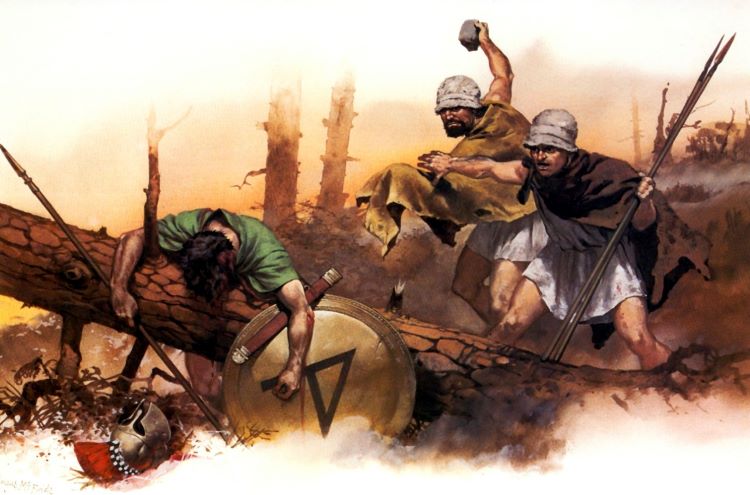
Illustration of Aetolian psiloi killing an Athenian hoplite.
Polyperchon’s march towards Macedon had Cassander worried both on
military and political grounds. Apart from the size of the army,
Cassander was worried that his own troops would defect him and embrace
Heracles as the true heir. Defections were common for that period. To
prevent such a scenario Cassander entered into negotiations with
Polyperchon to settle the conflict via diplomatic means. This time
Cassander’s offers were generous for the old commander; Polyperchon was
to be recognized as strategos of the Peloponesse and receive
4,000 Macedoanin foot troops and 500 Thessalian cavalrymen.
Polyperchon’s private estate in Macedon, previously confiscated, was to
return to its owner. All Polyperchon had to do in return is to kill
Heracles.
The old commander duly accepted Cassander’s offer and had Heracles
murder. With this elimination, the decade-long conflict between
Cassander and Polyperchon was brought to an end. Cassander, without
risking his chances on the battlefield, could not enroll Peloponesse in
his sphere of influence through Polyperchon. From a previous persistent
foe, Polyperchon served as Cassander’s ally in the Peloponnese; for the
first time since he claimed Macedon, Cassander was without a direct
challenge to his position.
Demetrius Poliorcetes’ Campaigns in the Name of Hellenism
During the remaining period of his reign, Cassander had to endure the
assaults from his most dangerous enemy yet: Demetrius “the Besieger” (Poliorcetes),
son of Antigonus. In June 307, Demetrius launched the most ambitious
expedition in Europe taken by an Antigonid. With a fleet of 250 and
5,000 talents in money, Demetrius entered Piraeus. There, he duly
expelled Cassander’s garrison at Munychia, even destroying that whole
fortress. In the process, Demetrius captured Megara as well, there too
expelling the Cassandrean garrison. Demetrius’ swift and brilliant
campaign in southern Hellas, apart from the obvious losses, deprived
Cassander of much manpower and revenue.
Demetrius’ incursion in mainland Hellas came with a promise for
freedom for the whole country. The Antigonids were following a policy
similar to that tried by Polyperchon fifteen years ago, though in a far
more refined way. The promise for freedom at Cassander’s expense echoed
in the whole region. Influenced by this momentum, the key region of
Epirus installed the young Pyrrhus of Epirus on the throne with the aid
of Glaucias of the Taulantii. Until 302, Epirus would remain in
opposition to Cassander.
The Besieger would resume his expeditions against Cassander in 303
advancing dangerously into the Peloponnese. There, he got control of
Acte and Arcadia (except Mantinea); expelled Cassandrean garrisons in
Argos, Corinth, and Sicyon by bribes; and seized many cities without
resistance. Demetrius even had time to preside over the games at Argos
where he married Pyrrhus’ sister Deidameia. While in Hellas, Demetrius
tried to rebuild the League of Corinth (founded by Philip II) into a
new, rebranded organization. The renaming of Sicyon as Demetrias
signaled the new reality that the Besieger could enforce on Cassander’s
sphere.
The Allied Coalition
The victories of Demetrius across Hellas had worried not only
Cassander but all the other Successors. If left unchecked, Antigonus and
Demetrius could put all of Alexander the Great’s great empire under
their yoke. To counter such a threat, Cassander joined a multinational
effort to fight back against the Antigonids that included Lysimachus,
Ptolemy, and Seleucus. In a nutshell, this effort would be similar to
the concerted actions of the Allies against Germany during World War II.
Notably, in a concerted fashion, Lysimachus with help from Cassander’s
troops invaded northwestern Asia Minor; Ptolemy moved north from Egypt
into Palestine; Seleucus marched westward from Babylon.
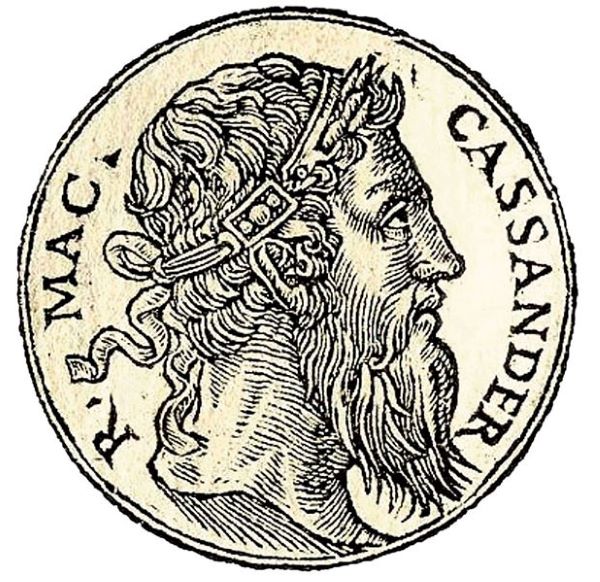
Portrait of an aged Cassander.
Pressed from all directions, Antigonus had to recall Demetrius from
Europe in order to muster all that he could in one location. The
opposing sides would meet in Ipsus for one of the greatest battles of
the ancient era. The allied coalition, commanded by Lysimachus and
Seleucus, fielded 64,000 infantry that included reinforcements from
Cassander, 10,500 cavalries, 400 war elephants, and 100 Scythed
chariots. Antigonus and Demetrius, joined also by Pyrrhus of Epirus, had
brought up 70,000 infantry, 10,000 cavalry, and 75 elephants. The
ensuing battle of Ipsus eventually concluded with a decisive victory
from the allied coalition. The multitude of Seleucus’ elephants
shattered the Antigonid forces. Antigonus himself was killed in battle
while Demetrius and Pyrrhus fled, with few remaining forces, into
Ephesus.
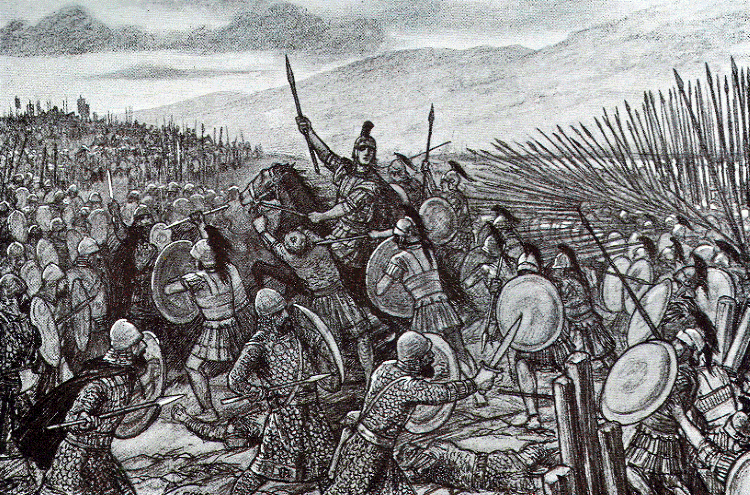
Illustration of the Battle of Ipsus.
Conclusion
The victory at Ipsus came as a relief for Cassander who could aim to
regain the lost possession beyond Macedon. Following the victory and
partition of the territories of Antigonus, Cassander was awarded the
possession of Caria and Cilicia in Asia Minor. The Macedonian left his
brother Pleistarchus as a ruler subject to him in the new territories.
Pleistarchus would ultimately lose Cilicia to Demetrius in 299/298.
However, he managed to hold Caria, seemingly as late as 294.
Himself, Cassander could not enjoy the reign as he must have wished,
with dropsy proving fatal to him in 297. Most of his reign he had
lingered in constant wars and dynastic bloodsheds. Cassander’s vision of
a lasting dynastic monarchy was ultimately wrecked in 294, with
domestic bloodshed, as Cassander had once caused. Notably, Cassander’s
son and his last surviving heir, Antipater II murdered his own mother
Thessalonice only to be then killed by Lysimachus. The Antigonids were
the ones to establish their own dynasty over Macedon.
Bibliography
Adams, W. L. (1993). Cassander and the Greek City-States (319-317 B.C.).
Diodorus. Bibliotheca Historica. & Polyaenus, Strategems.
Hammond, N.G.L. (1989). The Illyrian Atintani, the Epirotic Atintanes and the Roman Protectorate. The Journal of Roman Studies, Vol. 79, pp. 11-25. Published by: Society for the Promotion of Roman Studies.
Kistler, J. M. (2006). War Elephants. Greenwood Publishing Group.
Lyngsnes Ø W. (2018). The Women Who Would Be Kings. Trondheim.
Pitt, E. (2016). The Contest for Macedon: A Study of the Conflict Between Cassander and Polyperchon (319-308 B.C.).
Sverkos, I. K. (2010). Macedonia in the Classical and Hellenistic Periods.
García Ortiz se equivocó: González Amador no es un rival político
La política española vive tiempos que, salvando las distancias, recuerdan inevitablemente a los convulsos años posteriores a la muerte de Alejandro Magno. En aquel entonces, el vasto imperio helénico se desmembró entre sus generales, que se enfrentaron durante décadas en una lucha encarnizada por el poder. Cada uno buscaba consolidar su dominio, y lo habitual era hacerlo a través de la eliminación —literal— de los adversarios.
Casandro de Macedonia, hijo de Antípatro, entendió bien esa lógica. Para garantizar su supremacía, no dudó en ordenar la ejecución de Roxana, de Alejandro IV y de Olimpia de Epiro. La violencia era el medio para asegurar la estabilidad del trono, y el crimen, la herramienta del poder.
Hoy, en la llamada época sanchista, asistimos a una reedición simbólica de aquel juego macedónico de poder. No con espadas ni venenos, sino con expedientes, filtraciones y campañas mediáticas. La lógica, sin embargo, parece la misma: eliminar, desacreditar o silenciar a quienes representen una amenaza para el poder establecido.
Y es en este contexto donde García Ortiz, fiscal general del Estado, ha cometido un grave error político —y moral—: ha confundido la figura de González Amador con la de un adversario político, cuando es el novio -ni siquiera marido- de la presidenta Comunidad Madrid Ayuso. No lo es. No pertenece a esa arena de gladiadores en la que la política contemporánea se ha transformado. No compite por el poder, ni por la influencia pública, sino que ha sido arrastrado a ese campo de batalla por decisión ajena.
Al convertirlo en objetivo, García Ortiz no sólo ha actuado con una imprudencia impropia de su cargo, sino que ha evidenciado una peligrosa deriva: la de un Estado que utiliza sus instituciones con lógica de partido. Y esa confusión entre lo institucional y lo político —entre la justicia y la estrategia electoral— es el síntoma más alarmante del deterioro democrático.
En tiempos de Casandro, la eliminación del rival garantizaba la continuidad del trono. En tiempos de Sánchez, la destrucción reputacional del disidente parece cumplir la misma función. Pero el costo es alto: la pérdida de credibilidad de las instituciones, la erosión de la confianza ciudadana y el retorno de una política entendida no como servicio público, sino como conquista permanente del poder.
Conclusiones
García Ortiz se equivocó al creer que perseguía a un adversario político. En realidad, ha contribuido a mostrar, una vez más, que el problema no son los rivales, sino el modo en que el poder los fabrica. ya sabemos que la política consiste en destruir al rival peor no equivocarse al elegirlo. Hemos llegado a una degradación que se parece mucho a la de Casandro, y contemporáneamente a los años del Frente Popular del 36.
(Huelga de taxistas en Alicante contra VTC indiscriminado)
Alicante.- 4 de noviembre 2025. El taxi de Alicante ha vivido hoy una jornada de protesta en defensa del servicio público.
Con un apoyo del 87% y la participación de unos 500 taxis, los
conductores se han movilizado por las calles de la ciudad para exigir
mayor control sobre las VTC, inspecciones efectivas y apoyo
institucional frente al intrusismo que, aseguran, lleva años afectando
al sector.
Ello provocó un caos circulatorio y desvío de las lineas urbanas de autobuses, con el consecuente perjuicio a lo ciudadana, como perdidas de citas médicas. Enfermos que no pudieron recibir su asistencia. Personas de la tercer edad no pudieron ir a sus Centros de Día. Circulación de vehículos particulares. Es decir un casos el tanto el ayuntamiento como la Generalitat ha de solucionar. La huelga y manifestaciones deben den evitarse por la autoridadades antes de que se produzcan.
El gobierno de Barcala confía en que la salida de Mazón no frene los proyectos de Alicante
El
ejecutivo municipal apela a la estabilidad institucional para mantener
las inversiones comprometidas en Vía Parque, La Condomina o el Palacio
de Congresos
El equipo de gobierno de Luis Barcala en Alicante espera que la dimisión de Carlos Mazón
como presidente de la Generalitat no afecte al desarrollo de los
proyectos autonómicos comprometidos en la ciudad. Así lo ha manifestado
este martes la portavoz municipal, Cristina Cutanda, a preguntas de los
medios tras la Junta de Gobierno.
"Mazón ha asumido su responsabilidad política ante la terrible
situación ocasionada por la dana. Ahora se abre una nueva etapa que no
debe impedir el avance de la Comunidad Valenciana y los proyectos previstos en Alicante", ha considerado.
En su intervención, Cutanda ha evitado profundizar en las consecuencias políticas de la renuncia y se ha remitido a la postura mostrada el lunes por el alcalde, quien alabó la “autocrítica y capacidad de decisión” del ahora jefe del Consell en funciones.
El propio Barcala ha sostenido que la decisión de Mazón no impedirá “el
avance de la Comunidad Valenciana y el desarrollo del proyecto social,
económico y político que necesita nuestra tierra”.
«Ahora se abre una nueva etapa que no debe impedir el avance de los proyectos»
Cristina Cutanda
— Portavoz del equipo de gobierno de Alicante
Lo cierto es que la dimisión del presidente autonómico abre interrogantes sobre varias actuaciones de la Generalitat en la ciudad, cuya continuidad queda ahora sujeta a un relevo en las Cortes o a un eventual adelanto electoral. Entre ellas destacan la ejecución de la Vía Parque,
declarada de interés general el pasado septiembre, los centros de salud
de La Condomina, PAU2-La Torreta y Garbinet, el soterramiento de la
rotonda del Hospital de Sant Joan o la aportación autonómica al futuro
Palacio de Congresos, previsto para licitarse a partir de la primavera
de 2026.
La última promesa llegó el 19 de octubre: un compromiso del Consell con el Ayuntamiento para promover un eje deportivo con tres pabellones
en Vía Parque. Un anuncio que se produjo apenas dos semanas antes de la
renuncia de Mazón y que ahora queda en manos de su sucesor. Desde el
gobierno local de Alicante, la consigna oficial es confiar en que el vuelco político no
afecte a la agenda prevista. “Lo grave”, ha añadido Cutanda, “es que la
Comunidad Valenciana aún está esperando las ayudas que no llegan del
Gobierno”.
......................¿El palacio de Congresos en el puerto?...............................
...........¿Las eternas obras de la Comandancia de la Guardia Civil en Rabasa dependen del Ministerio del Interior; es decir, de Marlaska, y por ahora no hay presupuestos?
El caso que TV3 presentó como un drama social era en realidad un desahucio por impago hipotecario, ejecutado el 7 de marzo de 2025 contra un imán y su familia que llevaban años residiendo en la vivienda.
Tras el desalojo, Salt vivió dos noches de disturbios,
con lanzamiento de piedras, quema de contenedores y enfrentamientos con
los Mossos d’Esquadra. Pese a ello, la televisión pública catalana se
refirió a los altercados como “protestas por la falta de vivienda”.
Mientras
los antidisturbios trataban de recuperar el control de las calles, TV3
insistía en que los disturbios eran “una reacción al drama habitacional
que afecta a la comunidad migrante”. El enfoque fue calificado por
numerosos analistas como un ejemplo de manipulación informativa: omitir el contexto de okupación y reducir los hechos a un simple conflicto social.
Salt no es un caso aislado. Es uno de los municipios catalanes con mayor índice de ocupaciones ilegales y delincuencia asociada, según datos del Ministerio del Interior, que apuntan a un aumento del 1.392 % de las okupaciones en la provincia de Girona desde 2009. Los vecinos llevan años denunciando falta de seguridad, lentitud judicial y ausencia de respuesta institucional,
mientras el Ayuntamiento y la Generalitat insisten en hablar de
“emergencia habitacional” y “problemas estructurales del mercado de
alquiler”.
NOTA
Cuando los propietarios pierden una vivienda que les ha costado todo la vida comprarla y pagarla, aprende la lección y no la vuelven a alquilar. El error del gobierno es proteger a los okupas, mas que a los propietarios.
..................ENLACE
El Govern catalán trabaja en la preparación de informes jurídicos
internos para determinar si una medida como la prohibición de
adquisiciones de vivienda con fines especulativos puede encajar en el
marco legal vigente. Así lo ha confirmado la portavoz del Govern y
consellera de Vivienda, Sílvia Paneque, quien ha dicho que el presidente
Salvador Illa le ha encargado un estudio específico para contrastar qué
propuestas podrían implementarse, cuáles requerirían modificaciones
legales estatales y si entrarían dentro de las competencias autonómicas.
Esta iniciativa da continuidad al anuncio previo de Illa
de que el Ejecutivo estaría abierto a estudiar la propuesta surgida del
espacio de los Comuns, que registraron la propuesta en el Parlament, lo
que convierte la elaboración de esos informes en la primera traducción
institucional concreta de esa intención política.
La iniciativa de
prohibir la compra especulativa de vivienda parte de los Comuns, que
han registrado una proposición de ley para que los ayuntamientos
catalanes puedan vetar compras de inmuebles que no estén destinadas a
residencia habitual. La medida se presenta como una herramienta para
frenar la presión del mercado especulativo y "garantizar que la vivienda
sea un derecho, no un activo financiero".
La
iniciativa de los Comuns se enmarca dentro de una estrategia más amplia:
su grupo en el Parlament ha condicionado su respaldo presupuestario, y
su apoyo a los suplementos de crédito del año pasado, a avances en
materia de vivienda y su propuesta ha sido presentada con el aval de un
informe jurídico encargado por el PEMB (Plan Estratégico Metropolitano
de Barcelona) que defiende su encaje constitucional si se diseña con
carácter temporal, territorial y proporcionado.
En rueda de prensa
tras el Consell Executiu, Paneque ha expuesto que están pidiendo
"informes jurídicos que ayuden a ver estas propuestas, cuáles se adecuan
al marco vigente o no, y si necesitan de modificaciones normativas que
vayan más allá del Parlament de Cataluña y que tengan que ver con el
Congreso”. Ha precisado que no se trata sólo de valorar desde la óptica
jurídica, aunque esa sea una parte esencial, sino también de estimar
“qué sumas puede haber si se requiriera de modificaciones en el
Congreso”.
Ha recalcado que este encargo es “muy
específico” del presidente Illa al Departamento de Vivienda, y que,
cuando el Govern disponga de medidas concretas que considere posibles de
aplicar, las hará públicas. Según Paneque, tanto los Comuns como ERC y
la CUP han expresado voluntad de trabajar conjuntamente esta iniciativa:
“Nos gustaría trabajarlo con las fuerzas de progreso del arco
parlamentario, que son aquellas con las que coincidimos en estos ámbitos
de intervención del mercado.”
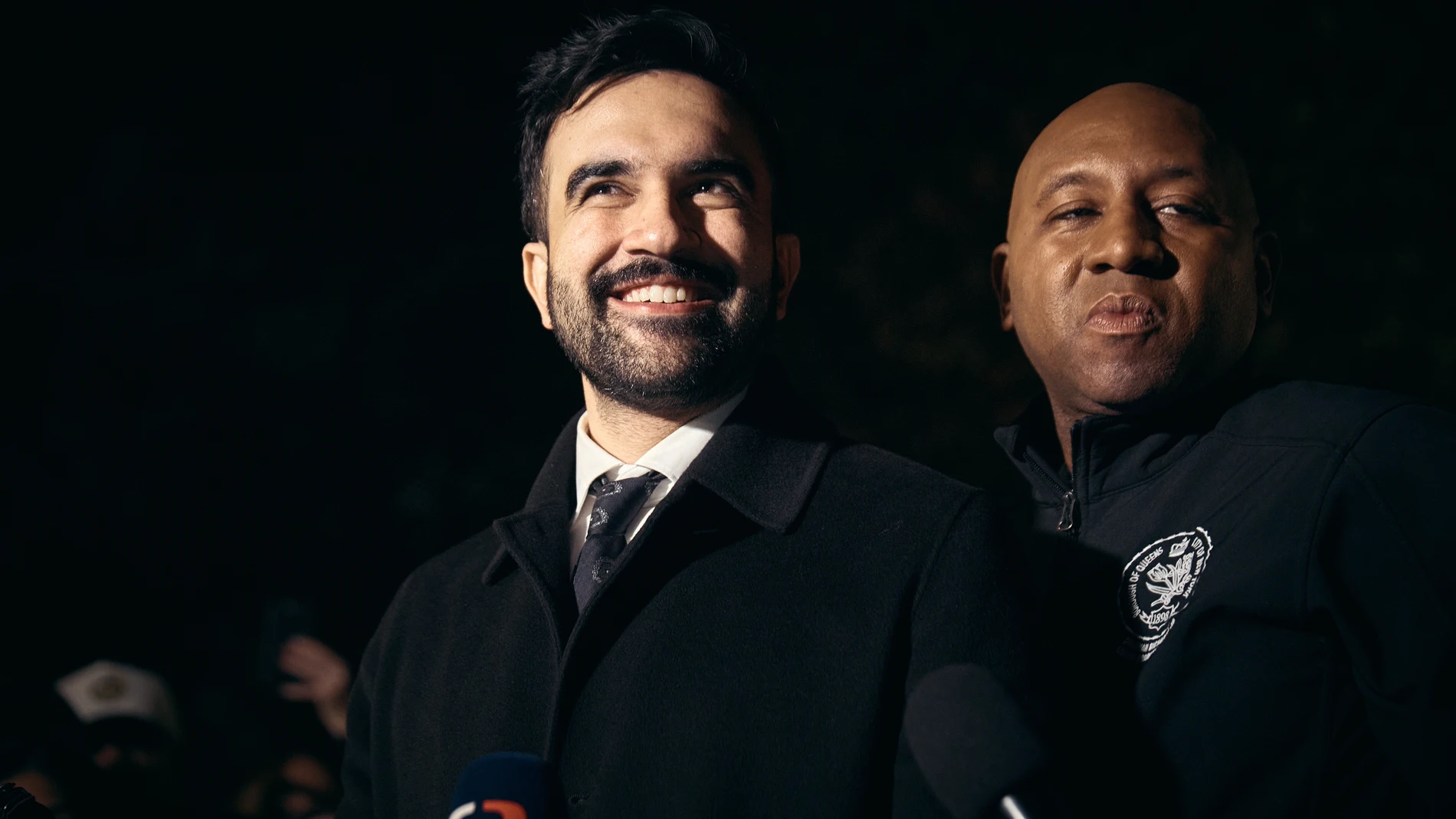
El progresista Mamdani gana las elecciones a la Alcaldía de Nueva York
Mamdani,
de 34 años, será el alcalde más joven de Nueva York desde 1892 y
también el primero musulmán socialista, tras imponerse al independiente Andrew
Cuomo y al republicano Curtis Sliwa, según el resultado provisional con
el 80 % escrutado.
Por ejemplo, en octubre de 2025 en Alicante por una funda de una muela la 26, y un empaste en el 27 y una limpieza general de la boca he costado 430 €.
Se solicitado la prestación dentaria al ISFAS (Institu Social de la Fuerzas Armadas) y me la han pagado por un total de 67 €; es decir, me ha pagado un 15,18 %, del gasto total.
Si esto es una ayuda para un jubilado con una discapacidad en un 33 %, no sé qué será para viudas o huérfanos.
Además de los medicamentos pagamos un 30 % de su valor total.
....................
Las
prestaciones dentales del ISFAS no se han actualizado desde hace
tiempo, años y su revalorización depende de las normativas vigentes don acuerdo al IPB anual.
Aunque no hay una fecha de última revalorización específica en las
fuentes, estas sí especifican las prestaciones que están cubiertas, como
empastes, obturaciones, reconstrucciones, endodoncias, periodoncia,
ortodoncia (si se inicia antes de los 18 años) y los implantes
osteointegrados.
Prestaciones cubiertas:
El ISFAS cubre una variedad de tratamientos dentales, incluyendo
empastes, obturaciones, reconstrucciones, endodoncias y tratamientos de
ortodoncia para menores de 18 años. También se cubren los implantes
osteointegrados y las prótesis dentales, aunque existen ciertas
limitaciones, como el número máximo de implantes por beneficiario.
Requisitos:
Es importante tener en cuenta que para solicitar la ayuda es necesario
aportar la factura del tratamiento, con el detalle de los servicios
prestados y los costes desglosados.
Falta de actualización:
La información disponible no menciona una fecha concreta de última
revalorización, lo que sugiere que las prestaciones podrían no estar
totalmente actualizadas o que la revalorización se realiza de forma
periódica sin un anuncio específico.
Consulta directa:
Para obtener información más detallada y actualizada, es recomendable
contactar directamente con el ISFAS o consultar sus páginas web
oficiales.
.................
UN GOBIERNO QUE NO GOBIERNA
Estados en mano de un gobierno socialista-comunista sin presupuestos desde hace dos años y vamos caminos de tres años, y Pedro Sánchez sigue riéndose en su mediocridad parlamentaria. Se queja de que la culpa de de la ultra-derecha. Cuando la gente pierde poder adquisitivo votará a cualquiera que le prometa mejorar la vida, menos que quien se resiste a convocar elecciones, por miedo a que gane la derecha del PP + Vox